

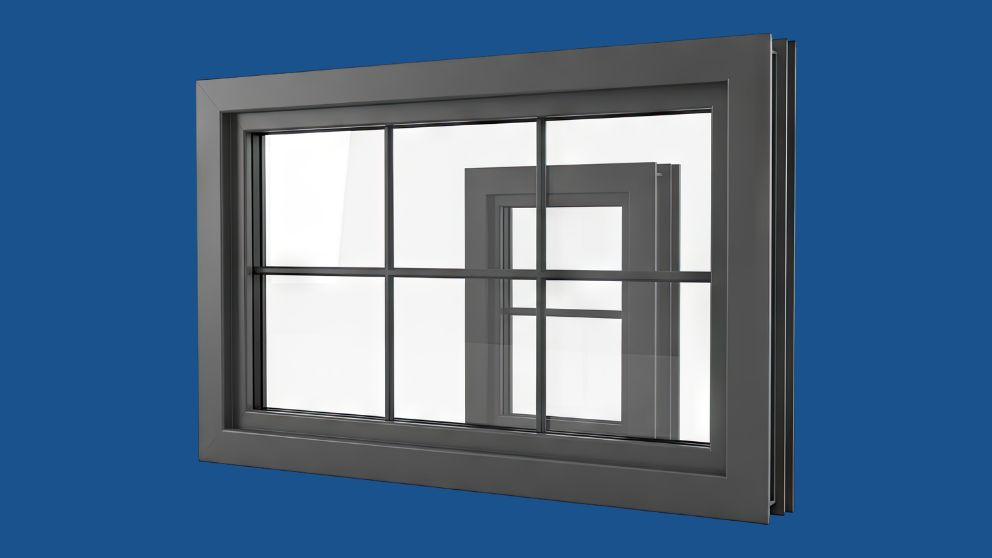
When homeowners think about new windows, one of the biggest questions is simple: do dual paned windows really help keep heat out?
The answer is yes. Dual paned windows, also called double-pane windows, are designed to reduce heat transfer better than older single-pane windows. The U.S. Department of Energy explains that multiple panes, low-E coatings, and gas fills all work together to improve window performance and reduce unwanted heat movement.
What is a dual paned window?
A dual paned window has two layers of glass instead of one. Between those two panes is a sealed space, usually filled with air or an insulating gas such as argon or krypton. That space acts as a barrier that slows down the movement of heat from the outside to the inside. ENERGY STAR notes that two panes of glass with an air or gas-filled space in the middle insulate much better than a single pane of glass.
How do dual paned windows block heat?
They do not "block" heat in the sense of stopping it completely, but they do make it much harder for heat to pass through the window. That happens in a few important ways.
1. The extra pane creates an insulating barrier
With single-pane glass, outdoor heat has a much easier path into the home. With dual paned windows, the second pane and the sealed gap between the panes slow that transfer down. This added layer of insulation helps reduce the amount of outdoor heat that makes its way inside. The Department of Energy specifically notes that the space between glazing layers is used to minimize heat transfer between the interior and exterior of the window.
2. Gas fills help reduce heat transfer
Many dual paned windows include argon or krypton gas between the panes instead of regular air. These gases are better insulators, which means they help slow down conductive heat transfer even more. DOE states that argon and krypton gas fills are used to minimize heat transfer, and guidance for efficient window construction notes that these fills help reduce summer heat gain as well as winter heat loss.
3. Low-E coatings reflect heat
Many modern dual paned windows also include low-emissivity, or Low-E, coatings. These thin coatings help control how much heat passes through the glass. In hot climates, they are especially useful because they reduce solar heat gain while still allowing natural light into the home. The Department of Energy says Low-E coatings control heat transfer within insulated glazing, and DOE guidance for warmer climates recommends coatings that reduce heat gain.
Why this matters in a hot climate
In a sunny, high-heat climate, windows can be one of the biggest sources of unwanted indoor heat. If your home has older windows, especially single-pane ones, your air conditioner may have to work harder to keep rooms comfortable.
Energy.gov’s guide to efficient windows explains that traditional single-pane and older clear double-pane windows do a poor job of keeping out excessive heat, while newer efficient windows improve comfort and can reduce heating and cooling costs. ENERGY STAR also notes that replacing old windows with certified models can lower household energy bills.
Dual paned windows do more than reduce heat
Better heat control is one of the biggest benefits, but it is not the only one. Dual paned windows can also help reduce drafts, improve indoor comfort near the glass, and support a more even temperature from room to room. In many cases, they can also help with sound reduction compared to older single-pane windows, since the extra pane and sealed construction create more separation from the outdoors. ENERGY STAR materials note that windows with multiple panes can improve energy efficiency and sound insulation.
Are all dual paned windows the same?
Not exactly.
Two-pane construction is a major improvement over single-pane glass, but overall performance still depends on the full window package. Factors like the frame material, the type of Low-E coating, the gas fill, the spacer system, and the quality of the installation all affect how well the window performs. DOE and ENERGY STAR both highlight that coatings, gas fills, and overall construction details all contribute to the thermal performance of the finished window.
That means a well-made, properly installed dual paned window will usually perform much better than an older or lower-quality unit, even if both technically have two panes.
Is it worth upgrading?
For many homeowners, yes.
If your current windows let in too much heat, make rooms uncomfortable, or seem outdated and inefficient, upgrading to dual paned windows can be a smart investment in comfort and energy performance. Newer windows are designed to insulate better, reduce heat gain, and help your home feel more comfortable throughout the year. DOE and ENERGY STAR both point to better-performing windows as a way to improve comfort and reduce energy loss.
Final thoughts
Dual paned windows block heat by slowing down heat transfer, not by creating a perfect barrier. The second pane of glass, the sealed air or gas-filled space, and optional Low-E coatings all work together to reduce how much outdoor heat enters your home. That can lead to better comfort, less strain on your cooling system, and a more energy-efficient home overall.
Thinking about upgrading your windows? Contact Imperial Windows and Sunscreens today to learn more about dual paned window options and find the right fit for your home.