

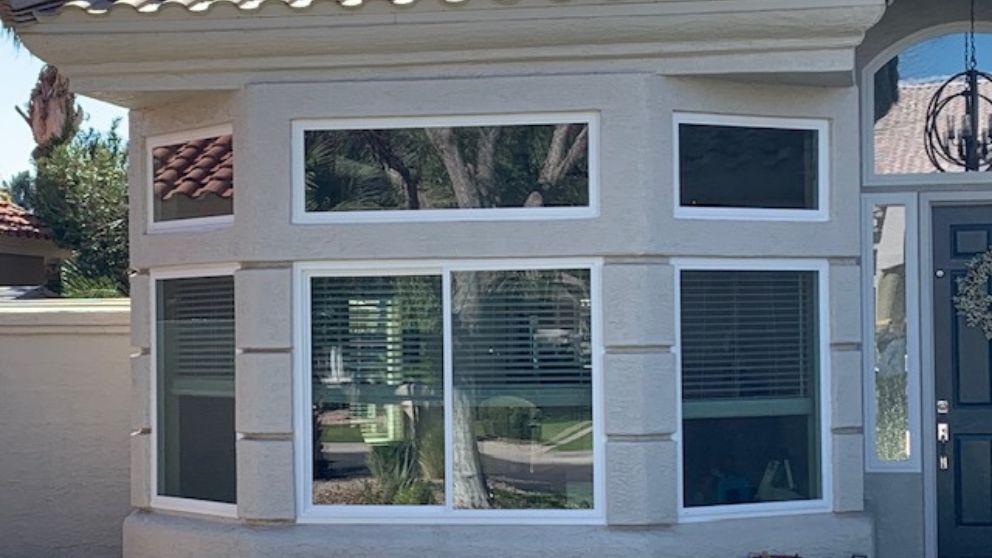
When most homeowners think about replacing their windows, they usually focus on appearance first. Fresh, modern windows can absolutely improve curb appeal, but the bigger long-term benefits often come from something less visible: better insulation and better sound control.
If your home feels too hot in summer, too chilly in winter, or too noisy throughout the day, old windows may be part of the problem. New windows are designed to do a much better job of reducing heat transfer, limiting air leakage, and helping create a quieter indoor environment. ENERGY STAR notes that replacing old windows with ENERGY STAR certified models can lower household energy bills, while newer glass technologies also improve comfort inside the home.
Why old windows often underperform
Older windows tend to lose efficiency over time. Frames can shift, seals can weaken, and glass technology may simply be outdated compared to what is available today. Even if the windows still open and close, they may allow outside air, heat, and noise to affect your home more than they should.
This is especially noticeable in homes with single-pane windows, worn weatherstripping, or drafts around the frame. The Department of Energy highlights that better air sealing and thermal performance around window systems can improve indoor comfort and reduce energy waste.
How new windows improve insulation
Insulation is all about slowing down unwanted heat transfer. In simple terms, good windows help keep outdoor heat outside when it is hot and help retain indoor warmth when it is cold.
Newer windows improve insulation in several ways:
Multiple panes of glass
Modern windows often use double-pane or triple-pane glass instead of a single sheet. That extra layer creates an insulating barrier that helps reduce heat movement through the window.
Low-E glass coatings
Low-emissivity, or Low-E, coatings are designed to reflect heat while still allowing light to pass through. ENERGY STAR specifically notes that Low-E coatings on many efficient windows help improve performance and comfort.
Better air sealing
A window is only as good as its installation and seal. New windows are built to fit more tightly and reduce drafts, which helps stabilize indoor temperatures and reduce strain on your heating and cooling system. DOE materials on window improvements emphasize the value of air sealing and thermal insulation for better year-round performance.
What better insulation means for homeowners
The day-to-day benefits are often very practical.
You may notice that rooms feel more comfortable throughout the day. Areas near windows may no longer feel overly hot or cold. Your HVAC system may not have to work as hard to maintain temperature. Over time, that can support lower energy use and better comfort across the home. ENERGY STAR says replacing old, drafty windows with certified options can reduce household energy bills by around 12 percent on average, with higher savings possible in some cases depending on what is being replaced.
Just as importantly, better-insulated windows can make indoor temperatures feel more even from room to room. That matters in homes where certain spaces always seem harder to keep comfortable than others.
Can new windows help with outside noise?
Yes, they can.
While no standard residential window can make a home completely silent, new windows can help reduce the amount of outside noise that enters the house. This is one of the most appreciated upgrades for homeowners living near traffic, busy streets, schools, parks, or noisy neighbors.
Sound enters through glass, gaps, and weak window assemblies. When you replace older windows with modern units that have tighter seals and improved glazing, you reduce some of the pathways that allow noise inside.
DOE-supported field research has found that higher-performing window systems can improve sound insulation, and one study cited thin triple-pane windows reducing sound infiltration by about 10 decibels relative to baseline double-pane windows.
What helps make a window quieter?
Not all windows perform the same when it comes to sound control. A few factors can make a real difference:
Tighter seals and installation quality
If air can leak in, sound usually can too. A properly installed window with a solid seal helps reduce both drafts and noise.
Double-pane or triple-pane construction
Additional panes of glass can help dampen sound transfer compared to older single-pane units.
Glass configuration
Different glazing setups can influence how much outside noise is reduced. In some cases, upgraded glass packages can provide better acoustic performance.
Overall window quality
A well-built frame and properly fitted sash can do more to support quiet indoor spaces than an older window that rattles, shifts, or has worn seals.
ENERGY STAR also notes more broadly that tighter, better-insulated homes tend to be quieter because there are fewer gaps for outside noise to enter.
Who benefits most from upgraded windows?
New windows can make a noticeable difference for homeowners who deal with:
- rooms that heat up or cool down too quickly
- drafty spaces near windows
- higher-than-expected utility bills
- outdoor noise from traffic or neighborhood activity
- fading furnishings caused by sun exposure
If any of that sounds familiar, window replacement may offer more than just a cosmetic update. It can be a comfort upgrade too.
More than just energy savings
One of the best things about new windows is that the benefits overlap. Better insulation supports energy efficiency. Better sealing supports comfort. Better glazing can help reduce outside noise. And as a bonus, many modern window systems can also help reduce UV exposure on floors, furniture, and other interior surfaces. ENERGY STAR specifically notes that Low-E glass coatings can help reduce UV sun damage indoors.
That means a window replacement project can improve how your home looks, feels, and performs all at once.
Final thoughts
New windows do more than update the appearance of your home. They can help create a quieter interior, improve insulation, reduce drafts, and support better year-round comfort. For homeowners dealing with uncomfortable rooms or too much outside noise, window replacement can be a practical upgrade with everyday benefits.
If your current windows are outdated, inefficient, or simply not doing enough to protect your comfort, investing in new windows may be one of the smartest improvements you can make.
Looking to upgrade your home’s comfort, efficiency, and peace and quiet?
Contact Imperial Windows and Sunscreens today to learn more about your window replacement options and get a quote for your home.